Transforming support services across a global organization
Led research and service strategy for a global Customer Service Management transformation, connecting employee needs with digital services, support channels, knowledge, operations, and team capabilities.
- Role
- Design Lead
- Timeline
- 1 year, 3 months
- Scope
- Service Strategy · Research · Digital Transformation · Journey Design · Capability Building
- Outcomes
- 50% faster response · 80% higher satisfaction
Global scale
Designed within an organization of approximately 45,000 colleagues.
65+ countries
Geographic context of the organization.
Digitized support
Transformation spanning digital and human service channels.
Organizational scale publicly reported by McKinsey. The digitization of support services has been publicly described by the transformation’s former leadership.
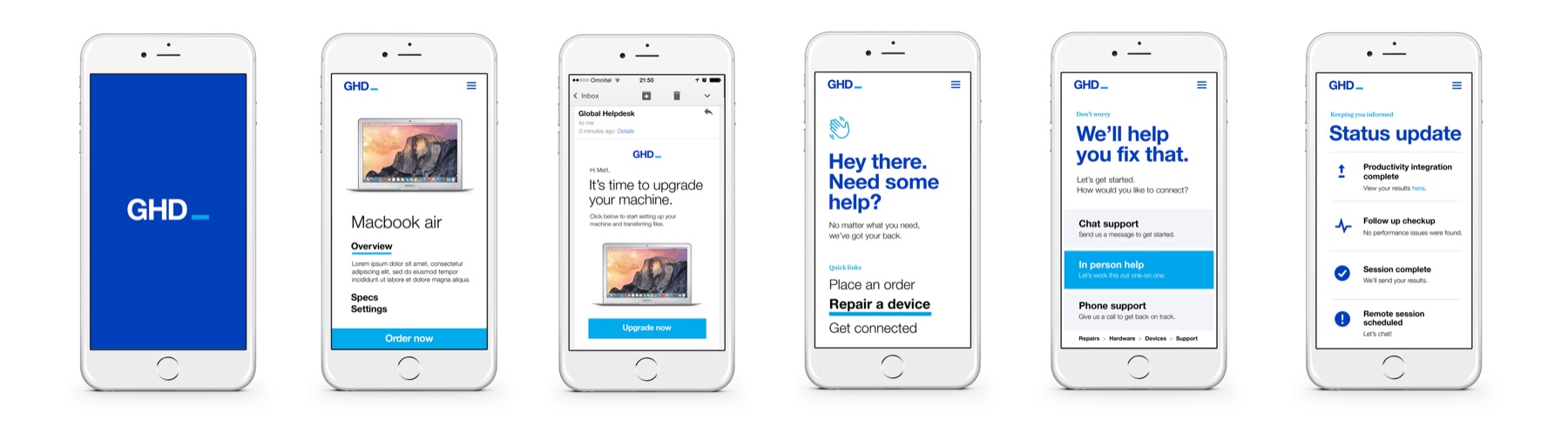
Visual note — Project visuals are illustrative. Selected artifacts have been adapted, recreated, or sanitized to protect confidential and proprietary information.
The challenge
Support had evolved across digital tools, self-service, remote assistance, local offices, and specialized teams. The opportunity was to create a more coherent service—resolving common needs efficiently while preserving human expertise for complex situations.
Technology could enable the transformation, but employee needs and service journeys needed to establish its direction.
How could customer insight shape a more coherent, scalable, and continuously improving support service?
My contribution
Led research and mapped the service system
Led research and journey mapping across employees, support teams, channels, and workflows. Combined qualitative evidence with program data to identify unmet needs, recurring friction, and opportunities across the service.
Turned insight into service direction
Translated findings into priorities for digital support, self-service, knowledge, workflows, and the relationship among automated, remote, and in-person assistance.
Built alignment around the transformation
Led participatory sessions with leaders and cross-functional teams, using research, service concepts, and strategic narratives to turn customer needs into shared decisions and investment priorities.
Built capability for continued improvement
Created playbooks, workshops, communications, and shared practices, then coached managers and teams to continue evolving the service.
What my contribution drew on
Methods & disciplines
- Experience Strategy
- Customer Experience Strategy
- Design Strategy
- Systems Thinking
- Service Design
- Design Research
- Digital Transformation
- Capability Building
- Measurement Strategy
Selected practices
- Qualitative Research
- Stakeholder Interviews
- Employee Research
- Program-Data Analysis
- Research Synthesis
- Insight-to-Implication Mapping
- Persona Development
- Journey Mapping
- Service Blueprinting
- Service-System Mapping
- Channel Strategy
- Digital Self-service Strategy
- Investment Prioritization
- Measurement Definition
- Co-design Facilitation
- Workshop Design
- Workshop Facilitation
- Service Concept Development
- Playbook Development
- Manager Coaching
Tools & platforms
- Miro
- Box
- Sketch
- InVision
- Adobe Creative Suite
- Excel
- Enterprise Service-Management Platform
Key decisions
Let customer journeys shape the technology
Research and journey mapping established which problems mattered and where changes to digital services, knowledge, and delivery could remove meaningful friction.
Make digital the scalable foundation—not the only service
Digital and self-service could address common needs at global scale, while human expertise remained essential for complex situations. The strategy connected both as one service.
Design the whole service, not only its interfaces
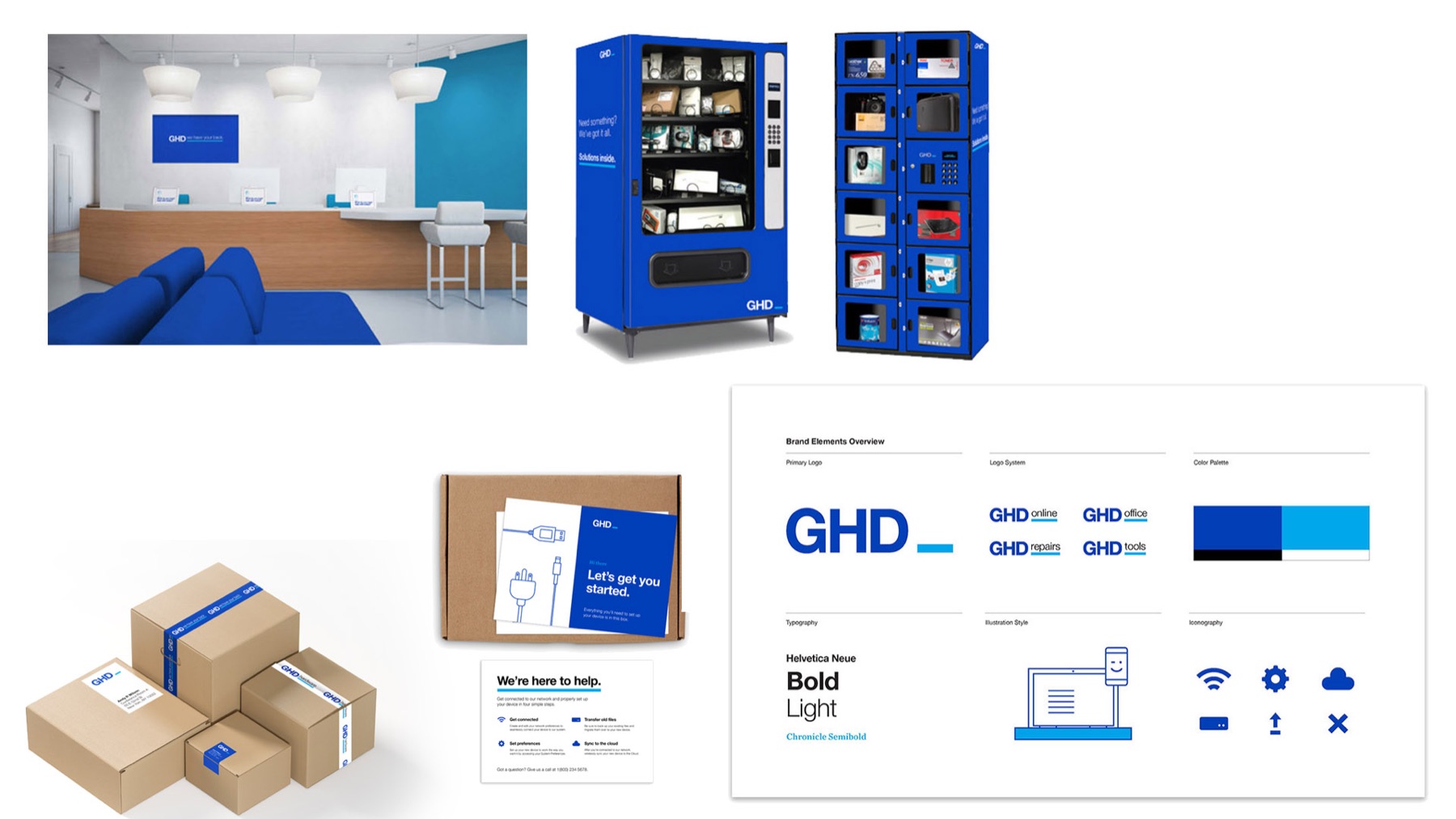
The experience extended across software, knowledge, processes, people, physical touchpoints, and support channels. A shared journey made the relationships among them visible.
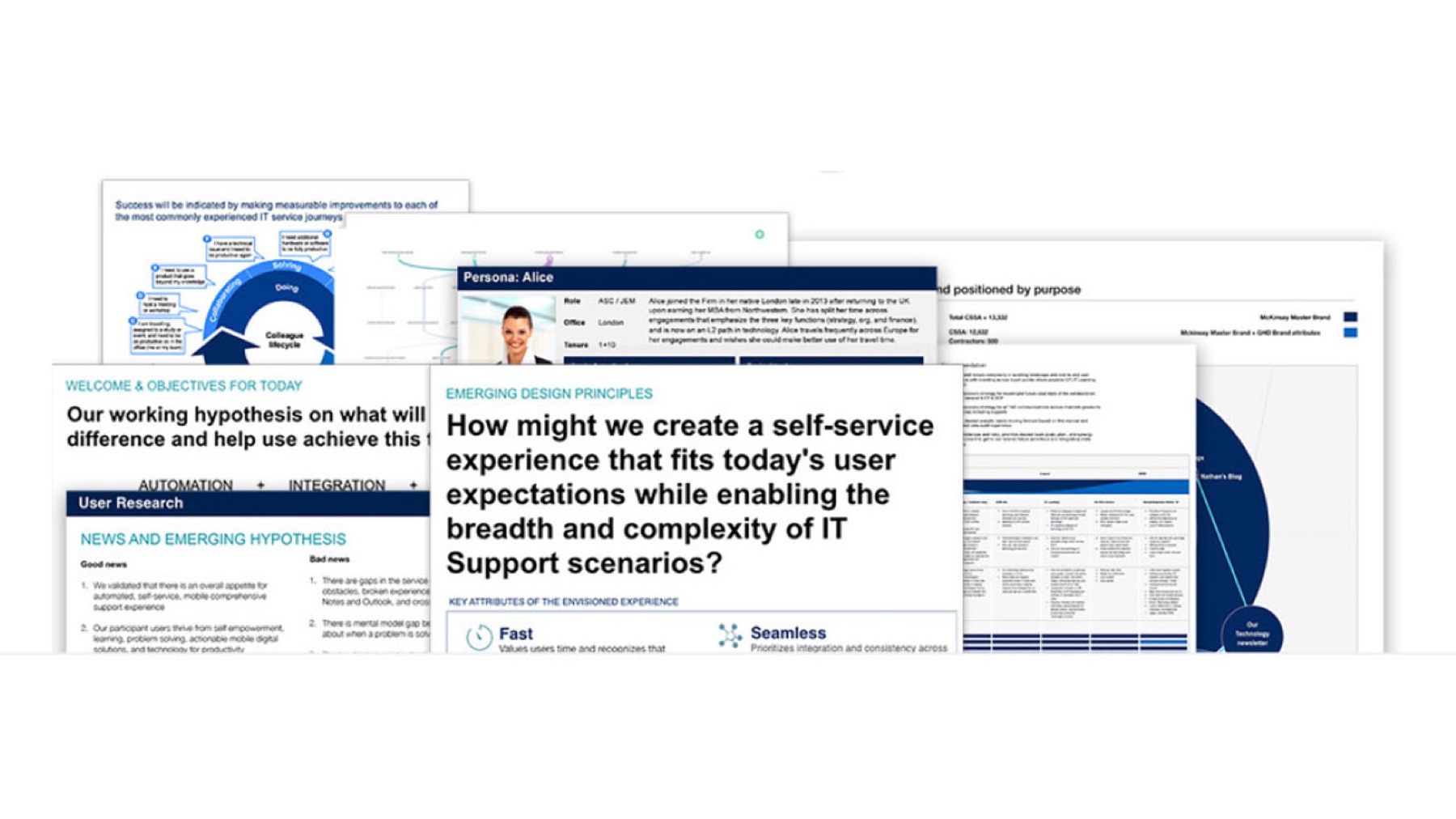
From evidence to service direction
Evidence
Research across employees and support teams, considered alongside program data.
Insight
Patterns showing where the service created friction rather than resolution.
Service implication
What those patterns meant for channels, knowledge, workflows, and human support.
Investment priority
Where change could remove the most significant friction.
What changed
The transformation established a more coherent, customer-centered direction for global support while strengthening the organization’s ability to continue improving the experience.
50%
Faster support response
Response time, distinct from total service delivery time.
80%
Higher satisfaction
Reported transformation outcome.
Service coherence
A shared journey connected previously fragmented channels and support experiences.
Digital enablement
Self-service and mobile-first concepts made common support needs easier to navigate.
Operational direction
Research and program analysis clarified where changes could reduce friction and improve resolution.
Capability transferred
Managers and teams received practices and tools for continued improvement.